 English
 Español
  Português
  русский
  Français
  日本語
日本語  Deutsch
  tiếng Việt
  Italiano
  Nederlands
  ภาษาไทย
  Polski
  한국어
한국어  Svenska
  magyar
  Malay
Malay  বাংলা ভাষার
  Dansk
Dansk  Suomi
Suomi  हिन्दी
  Pilipino
  Türkçe
  Gaeilge
  العربية
  Indonesia
  Norsk
Norsk  تمل
تمل  český
český  ελληνικά
  український
  Javanese
  فارسی
فارسی  தமிழ்
தமிழ்  తెలుగు
  नेपाली
  Burmese
  български
  ລາວ
ລາວ  Latine
  Қазақша
  Euskal
  Azərbaycan
  Slovenský jazyk
  Македонски
  Lietuvos
  Eesti Keel
  Română
  Slovenski

Call Us
+86-769-85580985
Email Us
christy_xiong@zealxintl.com

Which Kraft Paper Bag Solves E-Commerce Packaging Problems Best?
Article Summary: Choosing a Kraft paper bag is no longer only about putting a product inside a package. For online stores, fashion brands, boutiques, document suppliers, and gift businesses, the right bag must protect goods, support brand presentation, reduce plastic use, and keep packing work efficient. This article explains how to evaluate a Kraft paper bag from material, strength, structure, printing, sizing, sustainability, and purchasing angles. It also discusses why companies such as Zeal X International Limited focus on customizable paper-based packaging for brands that need practical, attractive, and responsible shipping solutions.
Table of Contents
- 1. Why Are Brands Replacing Plastic Mailers With Kraft Paper Bags?
- 2. What Makes a Kraft Paper Bag Suitable for Real Shipping?
- 3. Which Details Should Buyers Check Before Ordering?
- 4. How Does a Kraft Paper Bag Compare With Other Packaging Options?
- 5. What Custom Options Help a Brand Stand Out?
- 6. Where Can Kraft Paper Bags Be Used Most Effectively?
- 7. How Can Buyers Avoid Common Packaging Mistakes?
- 8. FAQ About Kraft Paper Bag Purchasing
- 9. Conclusion
Article Outline
- Identify the most common packaging pain points faced by e-commerce and retail brands.
- Explain the practical value of a Kraft paper bag in protection, presentation, and environmental responsibility.
- Break down the key purchasing factors, including size, thickness, printing, color, sealing, and handle choices.
- Compare Kraft paper bags with plastic mailers, corrugated boxes, and luxury rigid boxes.
- Provide a clear FAQ section for buyers preparing custom packaging orders.
Why Are Brands Replacing Plastic Mailers With Kraft Paper Bags?
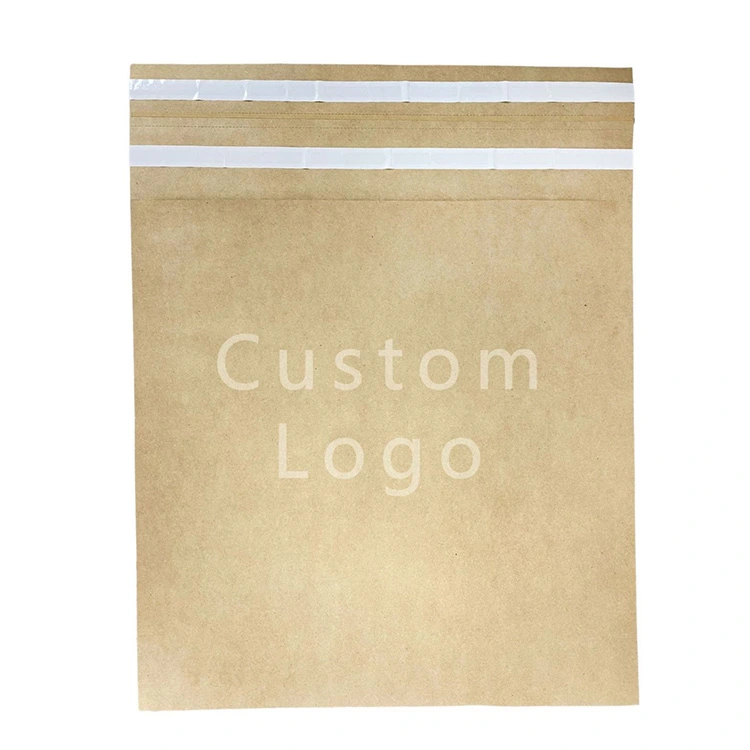
Many brands start looking for a Kraft paper bag because something in their current packaging is no longer working. Plastic mailers may be cheap, but they can feel ordinary, difficult to align with a natural brand image, and less attractive when customers share unboxing photos. Rigid boxes may look premium, but they often increase storage space, shipping volume, and total packaging cost. This leaves many businesses searching for a middle option that feels clean, practical, and more responsible.
A Kraft paper bag answers several of these problems at once. It gives a warmer and more natural appearance than glossy plastic. It can be folded, stored, printed, and customized for different product categories. For brands selling apparel, shoes, books, accessories, cosmetics, stationery, and documents, it can create a neat package without making the parcel unnecessarily bulky.
The shift is also driven by customer expectations. A buyer who orders an eco-conscious product does not want to receive it inside packaging that looks wasteful. A boutique customer expects the package to feel considered. An e-commerce seller needs a bag that is simple for warehouse staff to use repeatedly. A Kraft paper bag fits this change because it supports both daily packing efficiency and brand storytelling.
- It helps reduce reliance on plastic-based outer packaging.
- It gives products a cleaner and more natural first impression.
- It can be customized for size, color, printing, sealing, and structure.
- It is suitable for both retail packaging and e-commerce mailing.
- It can support brand consistency across multiple product lines.
What Makes a Kraft Paper Bag Suitable for Real Shipping?
A good-looking bag is not always a good shipping bag. Real shipping involves friction, stacking, handling, label application, moisture exposure, and movement inside cartons or courier networks. A Kraft paper bag used for mailing must balance appearance with functional strength.
The first factor is paper quality. Kraft paper is known for its natural fiber appearance and reliable tear resistance, but performance still depends on the paper grade, thickness, folding method, and sealing design. If the paper is too thin, corners may weaken during delivery. If the structure is not matched to the product size, the item may shift too much inside the package. If the sealing area is poorly designed, warehouse workers may spend extra time reinforcing every parcel with tape.
Another key detail is the pressing edge. Many paper envelope-style bags require a small blank pressing area to keep the structure stable. Buyers should allow enough space when selecting bag dimensions, instead of choosing a size that only matches the product surface area. A few extra millimeters can make the difference between a package that closes neatly and one that feels strained.
Zeal X International Limited offers Kraft paper bag solutions designed around custom size, custom color, printing, and practical use cases such as mailing, packing, shipping, document handling, apparel packaging, and book delivery. This matters because packaging should be selected from the product outward, not forced into a standard size that causes damage, wasted space, or poor presentation.
Buyer Tip: Before confirming a Kraft paper bag order, measure the actual product after folding, wrapping, or adding inner protection. Packaging size should be based on the final packed product, not only the product itself.
Which Details Should Buyers Check Before Ordering?
The safest way to buy Kraft paper bags is to treat the package as part of the product experience. Buyers should not only ask for a price. They should check whether the bag can survive the intended use, match the brand identity, and support efficient packing operations.
| Buying Factor | Why It Matters | What to Confirm |
|---|---|---|
| Material | The material affects strength, recyclability, texture, and customer perception. | Confirm whether the bag is made from Kraft paper and whether it includes plastic, wax, or other coatings. |
| Size | A bag that is too tight may tear; a bag that is too large may look careless and waste space. | Measure product length, width, height, folding thickness, and required pressing space. |
| Thickness | Thickness influences durability, hand feel, and shipping performance. | Choose thickness according to product weight, edge sharpness, and delivery method. |
| Color | Brown, white, black, or custom colors create different brand impressions. | Match the color to product positioning and printing requirements. |
| Printing | Printing turns a plain shipping bag into a brand touchpoint. | Confirm logo placement, ink effect, artwork format, and color accuracy. |
| Closure | The closure affects packing speed and parcel security. | Check whether adhesive sealing, folding, handles, or other structures are needed. |
| Order Quantity | Quantity affects unit cost, production planning, and inventory pressure. | Balance minimum order quantity with realistic sales and storage capacity. |
For new buyers, the biggest mistake is assuming all Kraft paper bags are the same. In reality, a bag for folded T-shirts is different from one used for shoes. A document bag needs a cleaner flat structure, while a boutique shopping bag may need handles and stronger presentation value. A book mailer may require better edge protection than a lightweight accessory bag.
How Does a Kraft Paper Bag Compare With Other Packaging Options?
Every packaging material has its place. The goal is not to say one option is always better than the others. The goal is to match the package to the product, the delivery environment, and the brand promise.
| Packaging Type | Main Strength | Possible Limitation | Best Use |
|---|---|---|---|
| Kraft Paper Bag | Natural look, customizable, lightweight, suitable for many retail and mailing uses. | May need additional protection for fragile or heavy items. | Apparel, documents, books, accessories, boutique products, promotional packaging. |
| Plastic Mailer | Lightweight, flexible, often water-resistant. | May not match brands seeking a paper-based or natural packaging image. | Low-cost shipping where plastic appearance is acceptable. |
| Corrugated Box | Strong protection and stacking resistance. | Uses more storage space and may increase shipping volume. | Fragile, heavy, or multi-item shipments. |
| Rigid Gift Box | Premium appearance and strong gift value. | Higher cost and less efficient for basic daily shipping. | Luxury gifts, premium sets, seasonal campaigns. |
A Kraft paper bag works especially well when the product does not require heavy crush protection but still needs a polished presentation. It can also be combined with inner tissue paper, paper cards, hang tags, sealing labels, or protective paper cushioning to create a complete packaging system.
What Custom Options Help a Brand Stand Out?
Customization is one of the strongest reasons buyers choose a Kraft paper bag. A plain brown bag can already communicate simplicity, but a custom printed version can carry a brand’s logo, slogan, product series, care instruction, QR code, or seasonal campaign message.
For many small and medium brands, packaging is one of the few physical touchpoints customers receive. The product may be ordered online, paid for through a digital platform, and delivered by a third-party courier. When the customer finally holds the parcel, the bag becomes part of the brand’s voice.
- Logo printing: Ideal for reinforcing brand recognition without overcomplicating the design.
- Custom colors: Brown gives a natural look, white feels clean, black feels modern, and custom shades help match brand identity.
- Size adjustment: Reduces wasted space and creates a neater unboxing experience.
- Handle styles: Useful for retail shopping bags, event giveaways, and boutique packaging.
- Surface design: Minimal patterns, product icons, or repeated brand marks can make the bag more memorable.
- Paper-based combinations: Matching bags with paper boxes, hang tags, paper cards, and sealing tape creates a more complete packaging system.
Zeal X International Limited supports brands that need packaging to do more than simply contain a product. By offering paper bags, paper boxes, mailers, and related packaging combinations, the company helps buyers reduce communication complexity when building a complete packaging set.
Where Can Kraft Paper Bags Be Used Most Effectively?
A Kraft paper bag is not limited to one industry. Its flexibility makes it useful across many product categories, especially when the item is not extremely fragile or unusually heavy. The key is choosing the correct structure and thickness.
Fashion brands often use Kraft paper bags for shirts, scarves, socks, hats, and lightweight shoes. Stationery businesses use them for notebooks, documents, paper goods, and art prints. Gift shops use them for small boxed items, cards, handmade products, and seasonal bundles. E-commerce sellers use them as outer mailers when they want the parcel to feel more natural than a plastic bag.
For brands that sell through both online and offline channels, one well-designed Kraft paper bag can help unify the customer experience. The same visual identity can appear in a retail store, on a courier parcel, and in a customer’s unboxing photo. That consistency can make the brand look more organized and reliable.
| Industry | Common Products | Suggested Packaging Focus |
|---|---|---|
| Apparel | T-shirts, socks, scarves, light garments | Flexible size, clean printing, easy sealing |
| Footwear | Slippers, lightweight shoes, accessories | Stronger paper, enough inner space, reinforced structure |
| Books and Documents | Catalogs, files, notebooks, manuals | Flat structure, neat edges, suitable thickness |
| Gift and Boutique | Small gifts, handmade goods, promotional sets | Custom printing, handle option, premium presentation |
| E-Commerce | Accessories, small goods, subscription items | Efficient packing, secure closure, brand visibility |
How Can Buyers Avoid Common Packaging Mistakes?
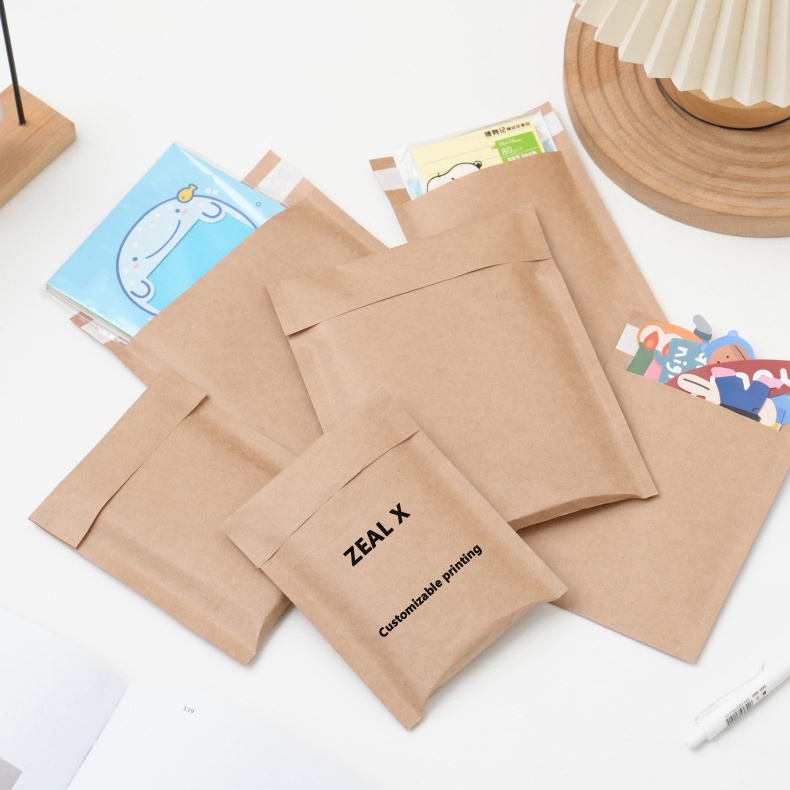
Buying packaging can look simple until the first shipment arrives and problems appear. The logo may be too small. The bag may be difficult to close. The product may press against the edge. The color may not match the brand’s other materials. These issues are not always caused by poor production; often, they happen because the buyer did not define the use clearly enough before ordering.
Before placing a Kraft paper bag order, buyers should prepare a simple packaging brief. It does not need to be complicated, but it should include product dimensions, product weight, expected shipping method, brand color requirements, logo files, preferred bag color, printing position, and estimated monthly usage. If the bag will be used for multiple product sizes, buyers should decide whether one universal size is acceptable or whether several sizes will reduce waste and improve appearance.
Another practical step is requesting samples when possible. A sample helps the buyer check hand feel, folding, sealing, print effect, and product fit. Even when the final order uses custom printing, a blank sample can still reveal whether the size and structure are suitable.
- Do not choose bag size based only on product length and width.
- Do not ignore the thickness added by folding, wrapping, or inner packaging.
- Do not place important artwork too close to folded or sealed edges.
- Do not use one bag size for every product if the size difference is large.
- Do not focus only on unit price while ignoring packing speed and damage risk.
- Do not confirm printing without checking artwork resolution and color expectations.
A reliable supplier should be able to discuss these points before production. That conversation may save time, reduce waste, and prevent packaging from becoming a hidden operational problem.
FAQ About Kraft Paper Bag Purchasing
What products are suitable for a Kraft paper bag?
A Kraft paper bag is suitable for apparel, documents, books, accessories, boutique goods, light footwear, promotional items, and many e-commerce products. For fragile or heavy goods, it may need to be paired with inner cushioning or a stronger outer carton.
Is a Kraft paper bag strong enough for shipping?
It can be strong enough when the correct paper thickness, structure, size, and closure method are selected. Buyers should match the bag to product weight, edge shape, delivery distance, and handling conditions.
Can Kraft paper bags be customized with a logo?
Yes. Logo printing, custom colors, patterns, slogans, QR codes, and other brand elements can usually be added. Buyers should provide clear artwork files and confirm printing position before production.
Is brown Kraft paper better than white Kraft paper?
Neither is always better. Brown Kraft paper gives a natural and organic impression, while white Kraft paper looks cleaner and may suit minimalist or premium branding. The right choice depends on the brand image and printing design.
How should buyers choose the right size?
Measure the product after folding or adding inner packaging. Leave enough space for closing, pressing, and handling. If the bag is too tight, it may tear or look poorly packed.
Can one Kraft paper bag size fit all products?
Sometimes, but not always. A universal size may reduce purchasing complexity, but it can also create excess empty space. Brands with wide product size differences may benefit from two or three standard bag sizes.
Why should buyers work with a custom packaging supplier?
A custom supplier can help align material, size, printing, structure, and product use. This is especially useful when the buyer needs consistent packaging across multiple product lines or sales channels.
Why Does the Right Kraft Paper Bag Matter for Brand Growth?
The right Kraft paper bag does more than carry a product. It helps a brand reduce packaging frustration, improve customer presentation, support more responsible material choices, and create a more consistent buying experience. For e-commerce sellers, it can make packing faster and parcels more attractive. For retail brands, it can turn a simple bag into a visible part of the brand identity. For growing businesses, it can reduce the confusion of using mismatched packaging across different products.
Zeal X International Limited understands that packaging decisions are connected to product protection, customer trust, cost control, and brand value. Whether a buyer needs Kraft paper bags for mailing, apparel, books, documents, delivery, or boutique packaging, the best result starts with a clear discussion about product size, material expectations, printing needs, and order planning.
If you are looking for a custom Kraft paper bag that fits your product, supports your brand image, and makes daily packing easier, contact us today. Share your size, printing design, quantity, and application needs, and our team will help you develop a practical packaging solution for your next order.
Send Inquiry



X
We use cookies to offer you a better browsing experience, analyze site traffic and personalize content. By using this site, you agree to our use of cookies.
Privacy Policy
News
 GRS Recycled Polybags Bring Recycled LDPE Packaging into Modern Apparel Supply Chains2026/09/15
As apparel brands and garment suppliers rethink the materials used throughout their packaging systems, recycled plastic packaging is becoming an increasingly important option for products that still require the flexibility, visibility, and protection of a polybag. Zeal X International Limited has ex......
 Why Water-Resistant Glassine Paper Bags Are Becoming a New Packaging Option for Plastic Reduction2026/09/14
As brands rethink packaging materials for retail, apparel, accessories and e-commerce products, Zeal X International Limited is expanding its paper-based packaging range with a customizable Water Resistant Glassine Paper Bag. The packaging solution combines the lightweight appearance of glassine pap......