 English
 Español
  Português
  русский
  Français
  日本語
日本語  Deutsch
  tiếng Việt
  Italiano
  Nederlands
  ภาษาไทย
  Polski
  한국어
한국어  Svenska
  magyar
  Malay
Malay  বাংলা ভাষার
  Dansk
Dansk  Suomi
Suomi  हिन्दी
  Pilipino
  Türkçe
  Gaeilge
  العربية
  Indonesia
  Norsk
Norsk  تمل
تمل  český
český  ελληνικά
  український
  Javanese
  فارسی
فارسی  தமிழ்
தமிழ்  తెలుగు
  नेपाली
  Burmese
  български
  ລາວ
ລາວ  Latine
  Қазақша
  Euskal
  Azərbaycan
  Slovenský jazyk
  Македонски
  Lietuvos
  Eesti Keel
  Română
  Slovenski

Call Us
+86-769-85580985
Email Us
christy_xiong@zealxintl.com

Why Are Glassine Bags Becoming the Smarter Packaging Choice for Modern Brands?
Article Summary
Glassine bags are no longer just a niche packaging option. For many brands, they solve a very real problem: how to present products beautifully while reducing the heavy, artificial feel that often comes with plastic packaging. In this article, I break down what glassine bags are, where they perform best, where they do not, and how businesses can choose the right structure, paper weight, and customization approach. I also explain why more companies are turning to partners like Zeal X International Limited when they need packaging that feels cleaner, lighter, and more aligned with what customers now expect from retail and e-commerce presentation.
Contents
- Outline
- What are Glassine Bags
- Why are brands switching to Glassine Bags
- What customer pain points can Glassine Bags solve
- Which packaging option fits different product types
- How should buyers choose the right Glassine Bags
- What customization details matter most
- Why do some packaging projects fail
- FAQ
- Final thoughts
Outline
- Define glassine bags in plain language
- Explain the shift away from ordinary plastic presentation
- Address practical buyer concerns such as appearance, protection, storage, and branding
- Compare glassine bags with poly bags, kraft bags, and tissue-based wrapping
- Show how to select paper weight, bag size, sealing style, and printing method
- Highlight common mistakes that increase cost or reduce usability
- Answer common questions from product managers, sourcing teams, and brand owners
What are Glassine Bags and why do they look so different from ordinary paper packaging?

Glassine bags are made from a smooth, dense, air-resistant paper that has a naturally translucent appearance. That one detail matters more than it may seem. Many businesses want packaging that feels soft and premium, but they also want the product to remain partially visible. Traditional paper bags often hide the item completely, while plastic packaging can feel too glossy, too disposable, or too generic. Glassine bags sit in the middle: they are elegant, lightweight, and visually clean.
When I talk with buyers about packaging, the same frustration comes up again and again. They are not just buying a bag. They are trying to solve a presentation problem. A fashion brand may want to package garments without making them feel mass-produced. A jewelry brand may want a package that protects small items but still lets customers sense what is inside. An e-commerce seller may want something flatter, neater, and easier to brand than a standard clear sleeve.
This is exactly where glassine bags make sense. They give products a softer reveal. Instead of shouting for attention, they create a more refined first impression.
In simple terms: if you want packaging that feels lighter than cardboard, more premium than ordinary paper, and less harsh than plastic, glassine bags deserve a serious look.
Why are more brands switching to Glassine Bags instead of staying with conventional packaging?
Because conventional packaging often creates hidden trade-offs.
Poly bags are familiar and cheap, but many brands now feel they weaken the emotional side of presentation. They protect well enough, yet they rarely add warmth. On the other hand, kraft paper can look natural and brand-friendly, but it does not always deliver the same sleek finish or partial visibility. Tissue wrapping looks soft, but it is less structured and can feel messy in fast-paced fulfillment environments.
Glassine bags answer a more modern expectation. Customers want packaging that feels thoughtful rather than excessive. They want something that protects the item, photographs well, opens neatly, stores easily, and supports a cleaner brand story. Glassine bags do that without becoming loud or overly designed.
For companies selling apparel, accessories, stationery, small gifts, or lightweight retail goods, this packaging style also creates consistency across channels. It works in store, in product photography, in influencer unboxing, and in direct-to-customer delivery. That matters because packaging is no longer just a shipping layer. It has become part of the buying experience.
| Packaging Type | Main Strength | Main Limitation | Best For |
|---|---|---|---|
| Glassine Bags | Translucent, smooth, refined, lightweight | Not ideal for heavy or sharply edged items | Apparel, jewelry, cards, lightweight retail packaging |
| Poly Bags | Clear visibility and basic moisture resistance | Can feel generic or low-end | High-volume shipping and simple protective use |
| Kraft Paper Bags | Natural feel and printable surface | Usually less product visibility | Organic, handmade, or rustic-style branding |
| Tissue Wrap | Soft unboxing experience | Less structure and lower efficiency in packing | Boutique presentation and layered gift packaging |
What customer pain points can Glassine Bags solve in real buying situations?
This is where the conversation gets practical. Buyers usually do not come looking for glassine bags because they are fascinated by paper. They come because something in their current packaging setup is not working.
-
The package looks cheap even when the product is good.
A well-designed product can lose impact when it is stuffed into packaging that feels thin, noisy, or visually harsh. Glassine bags improve perceived value without requiring a dramatic packaging overhaul. -
The brand image feels inconsistent.
Many companies invest heavily in product design, website design, and photography, then use packaging that does not match any of it. Glassine bags help create a more coherent visual identity. -
Packaging is functional but not memorable.
Customers may not praise a bag directly, but they notice when the packaging feels deliberate. The soft translucency of glassine often creates a better first touch than ordinary plastic. -
Small items need light protection and clean sorting.
For apparel accessories, cards, paper goods, or jewelry components, glassine bags keep items neat and separated while preserving a polished appearance. -
The business wants custom packaging without overcomplicating sourcing.
With the right supplier, glassine bags can be customized by size, closure type, print style, and paper weight, allowing buyers to improve the presentation without creating a totally new packaging system from scratch.
That last point matters. Packaging teams are often under pressure to improve appearance, control cost, shorten lead times, and avoid operational headaches at the same time. A packaging format only works if it helps with more than one problem.
Which packaging option fits different product types better than others?
Not every product should go into a glassine bag. That is worth saying clearly. Good buying decisions usually come from knowing both the strengths and the boundaries of a material.
Glassine bags perform especially well for:
- Clothing accessories such as socks, scarves, ties, and lightweight garments
- Jewelry and small fashion items that benefit from soft presentation
- Greeting cards, prints, stickers, and paper-based products
- Boutique retail items where surface appearance matters
- Inner packaging for gift sets and presentation kits
They may be less suitable for:
- Very heavy products
- Items with sharp corners that may stress the paper
- Products requiring high-barrier industrial packaging
- Situations where full transparency is essential
Smart buyers do not ask, “Is this packaging beautiful?” They ask, “Is this packaging right for the way my product is sold, packed, shipped, and opened?” That is a much better question.
| Product Category | Are Glassine Bags a Good Fit | Why |
|---|---|---|
| Apparel | Yes | Clean appearance, soft hand feel, effective for folded lightweight products |
| Jewelry | Yes | Elegant presentation and easy custom sizing for small pieces |
| Stationery | Yes | Protects and displays paper goods attractively |
| Heavy hardware | No | Material is not designed for high-load packaging use |
| Premium gift sets | Yes, as inner packaging | Adds structure and elegance inside a broader packaging system |
How should buyers choose the right Glassine Bags without wasting budget or time?
Start with the product, not the bag.
That sounds obvious, but many sourcing mistakes begin with buyers selecting packaging by appearance alone. A better process is to map the full use case first. Ask what the bag must do from the moment it is filled to the moment the customer opens it.
-
Measure the product honestly.
Account for fold thickness, inserts, labels, and sealing room. A bag that looks right on paper may become awkward in real packing. -
Choose paper weight based on handling needs.
Lighter weights may suit ultra-light goods, while stronger options are better for repeated handling, display, and shipping preparation. -
Decide how visible the product should be.
Glassine gives a translucent effect, not total clarity. That is a feature for many brands, but buyers should decide whether they want a reveal or a full view. -
Think about sealing style early.
Self-adhesive closures improve packing speed. Open-top styles may work better for in-store use or secondary wrapping. -
Test before scaling.
Always request samples and run a real packing trial. What looks excellent in a mockup can fail when teams start filling hundreds of units a day.
Buyers working with Zeal X International Limited often gain an advantage here because the conversation can move beyond a simple price quote. When a supplier understands how the bag will be used, customization becomes more useful and less wasteful.
What customization details matter most when ordering Glassine Bags?
Customization should do one thing above all: make the packaging more suitable for the product and more recognizable for the customer. It should not be decoration for decoration’s sake.
The most important details usually include:
- Size — A clean fit improves both protection and presentation.
- Paper weight — This affects feel, strength, and how premium the bag appears in hand.
- Closure type — Self-adhesive, open top, or other functional structures influence speed and usability.
- Printing — Minimal logo printing often works better than crowding the bag with too much information.
- Color direction — Some brands want the classic translucent look, while others prefer colored variations that still preserve a refined finish.
A strong packaging result usually comes from restraint. The best glassine bag is often the one that quietly supports the brand instead of trying too hard to become the star.
A useful rule: if the packaging only looks good in a render but becomes inconvenient in packing, sealing, storage, or shipping, it is not actually good packaging.
Why do some Glassine Bags projects disappoint even when the material itself is good?

Usually because the project was approached too narrowly.
I have seen buyers focus only on unit price, only on color, or only on whether the logo looks attractive. But packaging performance is cumulative. It depends on material, product fit, speed of use, shelf impression, transport handling, and final customer experience.
The most common mistakes include:
- Choosing the wrong size and forcing the product into the bag
- Ignoring how the packing team will actually seal and handle the packaging
- Using overly complex printing that weakens the clean appeal of glassine
- Expecting one packaging format to work for every product in a range
- Skipping sample testing in real shipping and storage conditions
None of these problems are dramatic on their own. That is the danger. They look minor at first, then become annoying, expensive, and difficult to correct after production starts.
The better path is simple: treat packaging as part of product performance, not as an afterthought. When brands do that, glassine bags can become one of the easiest upgrades in the whole packaging system.
FAQ
What makes Glassine Bags different from standard paper bags?
Glassine bags have a denser, smoother, semi-transparent finish, which gives them a more refined appearance and allows partial product visibility.
Are Glassine Bags suitable for clothing packaging?
Yes, they are widely used for lightweight apparel and fashion accessories because they present products neatly and feel more polished than many conventional alternatives.
Can Glassine Bags be customized with logo printing and size options?
Yes, many suppliers can provide custom sizing, different paper weights, sealing options, and logo printing to match specific product and brand needs.
Are Glassine Bags good for e-commerce packaging?
They work well as inner packaging for many lightweight products. For outer shipping protection, they are often combined with a secondary mailer or carton.
How do I know whether Glassine Bags are right for my product?
Start by checking product weight, shape, packing method, and the kind of customer experience you want to create. A real sample test is the fastest way to confirm fit.
What should brands do next if they want packaging that feels more considered and more sellable?
They should stop treating packaging like a final checkbox.
The right packaging does more than hold a product. It frames the product, protects the product, and shapes the customer’s first emotional reaction to it. That is why glassine bags are drawing more attention from brands that care about presentation, consistency, and a cleaner packaging experience.
If your current packaging feels too ordinary, too plastic-heavy, too visually loud, or simply disconnected from the quality of what you sell, it may be time to rethink the format. Zeal X International Limited offers a practical place to start for businesses looking for glassine bag solutions that balance appearance, functionality, and customization with real-world sourcing needs in mind.
Ready to make your packaging look more refined, more organized, and more aligned with what customers actually want to open? This is the right moment to upgrade from generic packaging to a smarter solution. Contact us to discuss custom Glassine Bags, request samples, and find the format that fits your products and brand direction with more confidence.
Send Inquiry



X
We use cookies to offer you a better browsing experience, analyze site traffic and personalize content. By using this site, you agree to our use of cookies.
Privacy Policy
News
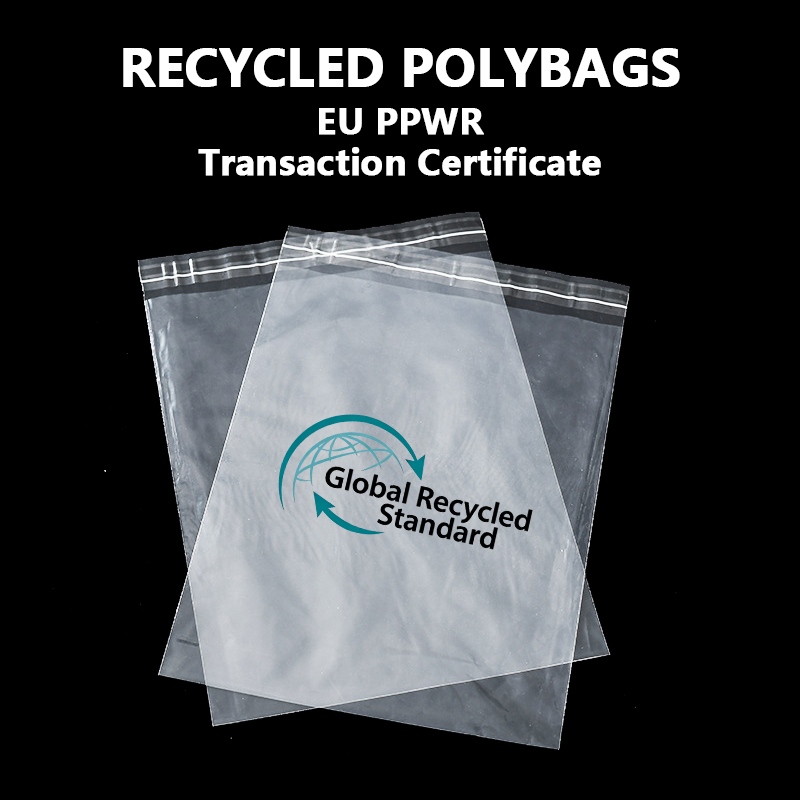 Recycled LDPE Polybags for Apparel Brands: Custom Packaging and EU PPWR Considerations2026/10/19
Zeal X International Limited highlights custom recycled LDPE polybags for apparel brands, garment manufacturers and wholesale buyers seeking recycled-content packaging, flexible specifications and better preparation for evolving European packaging requirements.
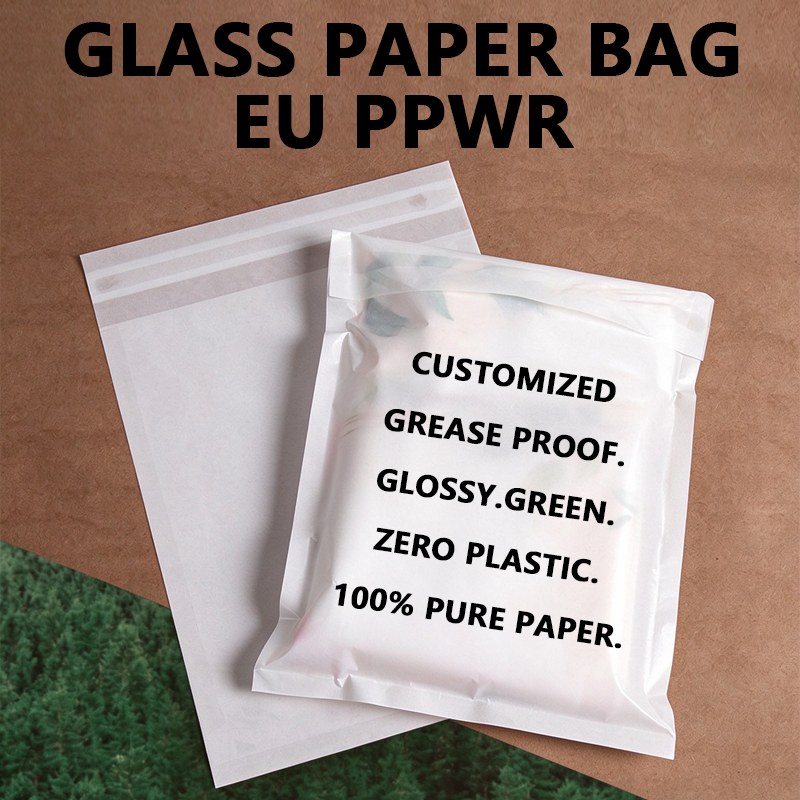 Custom glassine paper bag dimensions showing bag width height flap size and logo printing area2026/10/15
As apparel brands reassess packaging materials and unboxing experiences, custom glassine garment bags are gaining attention as a paper-based option for clothing and fashion accessories. Zeal X offers customized sizes, logo printing and adhesive flap designs for wholesale apparel packaging projects.