 English
 Español
  Português
  русский
  Français
  日本語
日本語  Deutsch
  tiếng Việt
  Italiano
  Nederlands
  ภาษาไทย
  Polski
  한국어
한국어  Svenska
  magyar
  Malay
Malay  বাংলা ভাষার
  Dansk
Dansk  Suomi
Suomi  हिन्दी
  Pilipino
  Türkçe
  Gaeilge
  العربية
  Indonesia
  Norsk
Norsk  تمل
تمل  český
český  ελληνικά
  український
  Javanese
  فارسی
فارسی  தமிழ்
தமிழ்  తెలుగు
  नेपाली
  Burmese
  български
  ລາວ
ລາວ  Latine
  Қазақша
  Euskal
  Azərbaycan
  Slovenský jazyk
  Македонски
  Lietuvos
  Eesti Keel
  Română
  Slovenski

Call Us
+86-769-85580985
Email Us
christy_xiong@zealxintl.com

Why Can a Paper Box Change the Way Customers See Your Brand?
Packaging decisions are rarely small decisions. The right Paper Box can protect products, reduce shipping trouble, improve shelf appeal, support sustainability goals, and make a brand feel more trustworthy from the first touch. In this article, I look at the practical reasons businesses are rethinking paper-based packaging, the common problems buyers face when sourcing boxes, and how Zeal X International Limited approaches packaging that is functional, presentable, and easier to align with modern retail and e-commerce demands.
Article Summary
A Paper Box is no longer just a container. It influences shipping safety, customer perception, sustainability performance, and operational efficiency. Buyers often struggle with weak box structures, inconsistent printing, unsuitable dimensions, poor unboxing results, and supplier communication gaps. This article explains how to choose the right box style, what specifications matter most, why customization should solve real business problems, and how brands can balance cost with performance. It also includes a practical comparison table, a sourcing checklist, and answers to common buyer questions.
Contents
- Outline
- Why does packaging quality affect sales and trust
- What problems do buyers face when sourcing a paper box
- Which paper box styles work for different products
- What specifications matter before placing an order
- How can a paper box improve branding without wasting budget
- Why does supplier capability matter as much as box design
- What should buyers confirm before mass production
- FAQ
Outline
- The growing role of the Paper Box in retail and shipping
- Real sourcing pain points that affect cost, delivery, and product safety
- Common box structures and where each one performs best
- Material, size, load-bearing, finish, and print details buyers should not overlook
- How packaging strengthens brand image and customer experience
- What reliable packaging partners should be able to deliver
- A clear pre-production checklist for smoother orders
- Answers to the most common buyer questions
Why does packaging quality affect sales and trust?
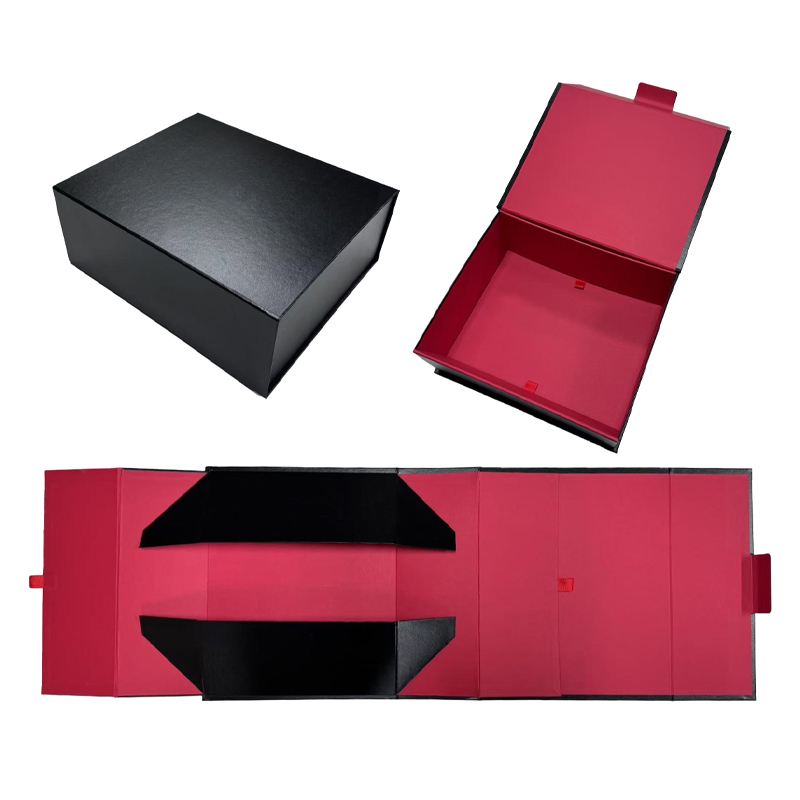
I have seen many businesses treat packaging as something to finalize at the end, only to discover that poor packaging creates expensive problems after production is already complete. A weak box corner, inaccurate size, poor print registration, or a surface that scuffs too easily can quietly damage the entire buying experience. Customers may not always praise a box when it performs well, but they notice immediately when it feels flimsy, looks cheap, or arrives damaged.
A good Paper Box does several jobs at once. It protects the product in transit, presents the brand clearly, supports storage efficiency, and helps buyers feel the product inside is worth its price. This is especially important for apparel, shoes, cosmetics, jewelry, electronics accessories, and gift items where first impressions shape buying decisions.
There is also a practical business angle. Better packaging can reduce return rates caused by damage, lower the cost of complaint handling, and improve repeat purchase potential. When customers open a box that looks intentional and secure, the brand feels organized. That feeling matters more than many companies admit.
What problems do buyers face when sourcing a paper box?
Most buyers are not simply trying to “buy a box.” They are trying to avoid problems. The challenge is that packaging issues often show up late, after samples are approved or after goods have already shipped. That is why it helps to define pain points early.
- Boxes collapse or deform under product weight
- Internal dimensions do not match the actual product size
- Print colors look inconsistent from batch to batch
- Boxes protect well but look too plain for retail presentation
- Luxury finishes increase cost without improving conversion
- Flat-packed boxes save space but complicate packing speed
- Lead times become unstable when communication is unclear
- Sustainable packaging claims are vague and difficult to verify
These issues are common because many orders begin with only a product photo, a target size, and a rough budget. That is rarely enough. A packaging project works better when the buyer thinks about storage, shipping route, display expectations, opening style, product sensitivity, and how the brand wants to be remembered.
Which paper box styles work for different products?
The structure of a Paper Box should match the product, not just the artwork. A box that works beautifully for cosmetics may be inefficient for shoes. A premium magnetic box may impress customers, but a corrugated mailer may be the smarter choice for direct-to-consumer shipping.
| Box Style | Best For | Main Advantage | Buyer Note |
|---|---|---|---|
| Foldable Box | Apparel, gifts, seasonal promotions | Saves storage space and shipping volume | Check assembly efficiency for packing lines |
| Lid and Base Box | Shoes, gift sets, premium retail items | Strong structure and premium presentation | Needs accurate fit to avoid loose presentation |
| Drawer Box | Jewelry, accessories, beauty products | Smooth unboxing and layered experience | Consider pull-tab durability |
| Magnetic Box | Luxury gifts, high-value presentation | Premium look and reusable feel | May raise unit cost beyond entry-level budgets |
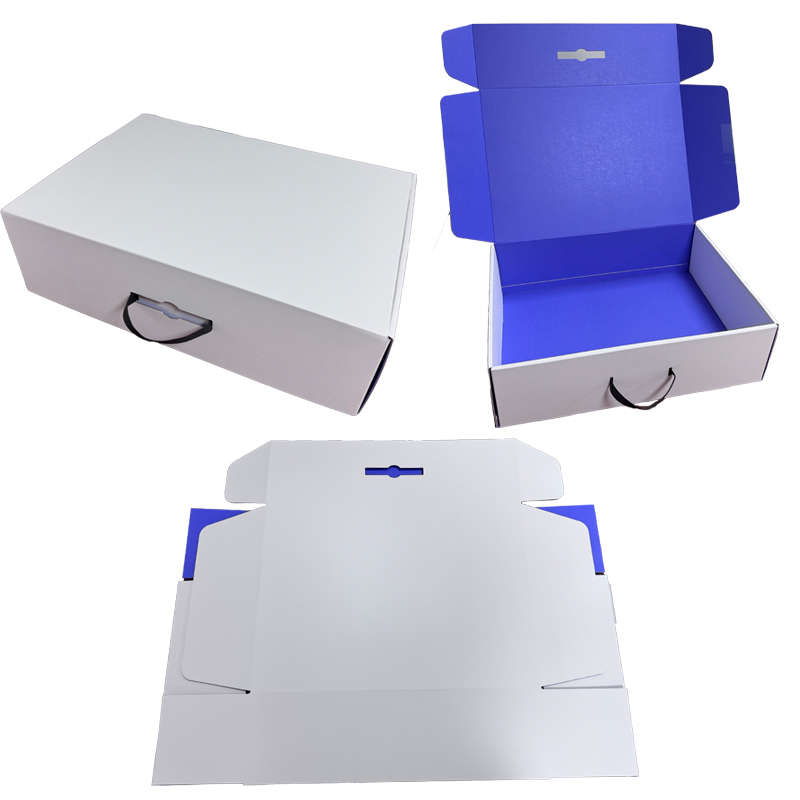
| Corrugated Paper Box | E-commerce, logistics, bulk transport | Better cushioning and shipping protection | Balance strength with shipping cost |
The best choice depends on how the box will be used. Is it going onto a retail shelf, into a shipping carton, into a gift bag, or directly into the customer’s hands? The answer changes the structure, board thickness, surface finish, and even how the artwork should be placed.
What specifications matter before placing an order?
Buyers often focus first on dimensions and print, but a reliable Paper Box needs a wider specification review. A box can look excellent in a rendering and still fail in real use if its structure, board choice, or finish is not aligned with the product.
- Material grade: kraft paper, coated paper, corrugated board, or specialty board should match the required strength and appearance.
- Board thickness: too thin and the box feels weak; too thick and the cost and assembly difficulty rise.
- Internal fit: product movement inside the box causes scuffing, breakage, and poor presentation.
- Printing method: color consistency and artwork detail matter for branded packaging.
- Surface finish: matte, gloss, soft touch, embossing, foil stamping, or spot effects should support the brand, not distract from it.
- Closure style: tuck end, magnetic close, ribbon, lid and base, or drawer opening influences both cost and user experience.
- Transit conditions: humidity, stacking pressure, and long delivery routes can change performance.
I always think buyers get the best results when they ask a simple but important question: what does this box need to survive, and what does it need to say about the brand? That one question keeps the project practical.
How can a paper box improve branding without wasting budget?
Not every brand needs extravagant finishes. In fact, some of the most convincing packaging projects rely on restraint. A carefully chosen paper texture, strong structural proportions, clean typography, and accurate logo placement can do more than multiple expensive embellishments used all at once.
A smart Paper Box strategy focuses on visible value. Customers respond to packaging that feels deliberate. That may mean a rigid lid and base box for a gift product, a foldable box that reduces storage pressure for seasonal campaigns, or a clean corrugated solution that still looks branded when it reaches the doorstep.
For many businesses, brand value comes from consistency. If the outer carton, retail box, insert, and label all feel connected, the product looks more established. This is one reason companies often prefer working with suppliers that can support more than one packaging format under the same quality expectation.
Why does supplier capability matter as much as box design?
Even a good design can fail if the supplier cannot translate it into repeatable production. Packaging buyers need more than attractive mockups. They need clear communication, realistic recommendations, sample accuracy, and production control that continues after approval.
This is where experience matters. Zeal X International Limited presents its Paper Box range across multiple structures, including foldable boxes, lid and base boxes, and corrugated options, which suggests the ability to support different product categories and packaging objectives rather than a one-style-fits-all approach. That kind of range is useful for brands that want packaging to evolve with product lines instead of restarting the sourcing process every time. :contentReference[oaicite:1]{index=1}
A capable supplier should be able to discuss not only appearance, but also compression needs, insert solutions, shipping behavior, and how to keep quality stable during repeat orders. That is the difference between buying packaging and building a packaging system.
What should buyers confirm before mass production?
Before moving from sample to full production, I recommend confirming the following points in writing:
- Exact outer and inner dimensions
- Material type and thickness
- Artwork file format and print color expectations
- Logo position, orientation, and finishing details
- Load-bearing or protective requirements for shipping
- Packaging assembly method and packing speed expectations
- Master carton quantity and transport arrangement
- Sample approval standard for repeat orders
- Lead time for both sample and bulk production
- Any sustainability preference such as recyclable, biodegradable, or plastic-reduced design direction
This checklist may feel detailed, but it prevents the usual late-stage confusion. Strong packaging projects rarely succeed by luck. They succeed because small details were clarified before they became expensive mistakes.
FAQ
Can a paper box be strong enough for shipping?
Yes, when the board grade, flute structure, and box design are selected properly. For direct shipping, corrugated paper solutions are often more suitable than purely decorative retail boxes.
Is a custom paper box always expensive?
Not necessarily. Cost depends on structure, size, print coverage, finish, quantity, and packing method. A clean design with the right material can look premium without becoming unnecessarily expensive.
What products are most suitable for paper box packaging?
Apparel, shoes, gift products, beauty items, jewelry, accessories, small electronics, and many retail or e-commerce products can work well with the right Paper Box structure.
How do I choose between a foldable box and a rigid box?
Choose a foldable box when storage efficiency and shipping volume matter most. Choose a rigid or lid and base structure when presentation and perceived value are the stronger priorities.
What should I send to a supplier before asking for a quotation?
Ideally, send product dimensions, estimated product weight, target quantity, preferred box style, artwork requirements, finish preferences, and a short description of how the box will be used.
Can sustainable packaging still look premium?
Absolutely. Premium packaging comes from design discipline, good materials, structural confidence, and print quality. Sustainability and strong presentation are not opposites.
What makes the right choice worth making now?
The right Paper Box solves more than packaging. It helps products travel safely, strengthens customer confidence, supports brand consistency, and turns a simple delivery into a more memorable experience. Businesses that treat packaging as part of product value tend to stand out more clearly in crowded markets.
If you are reviewing packaging for apparel, shoes, gifts, cosmetics, accessories, or e-commerce fulfillment, this is a good time to ask tougher questions about structure, appearance, sustainability, and long-term sourcing reliability. If you want packaging that feels more considered and more aligned with your product goals, contact us to explore custom solutions with Zeal X International Limited.
Send Inquiry



X
We use cookies to offer you a better browsing experience, analyze site traffic and personalize content. By using this site, you agree to our use of cookies.
Privacy Policy
News
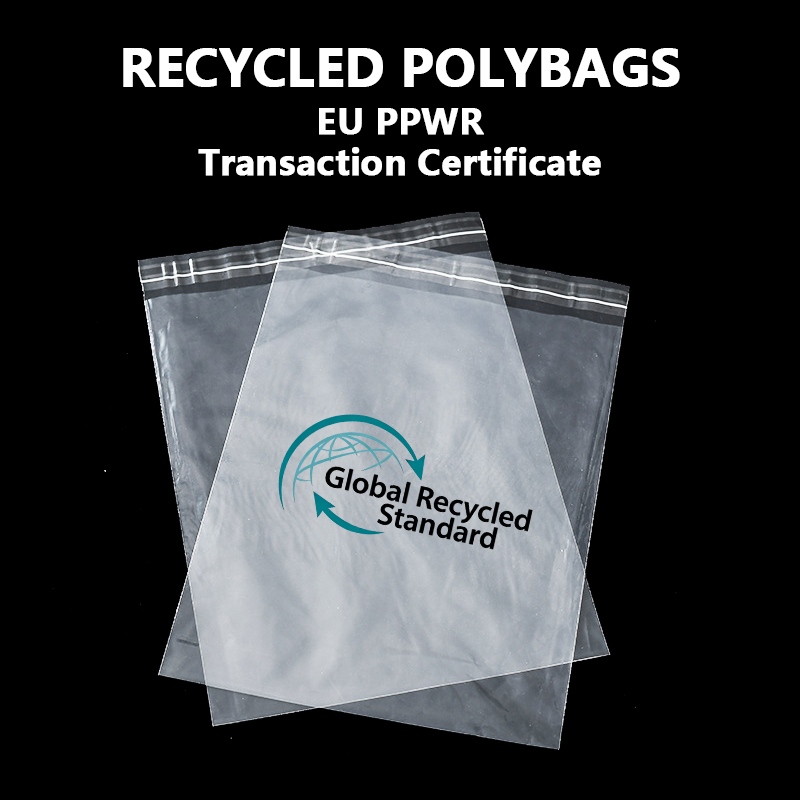 Recycled LDPE Polybags for Apparel Brands: Custom Packaging and EU PPWR Considerations2026/10/19
Zeal X International Limited highlights custom recycled LDPE polybags for apparel brands, garment manufacturers and wholesale buyers seeking recycled-content packaging, flexible specifications and better preparation for evolving European packaging requirements.
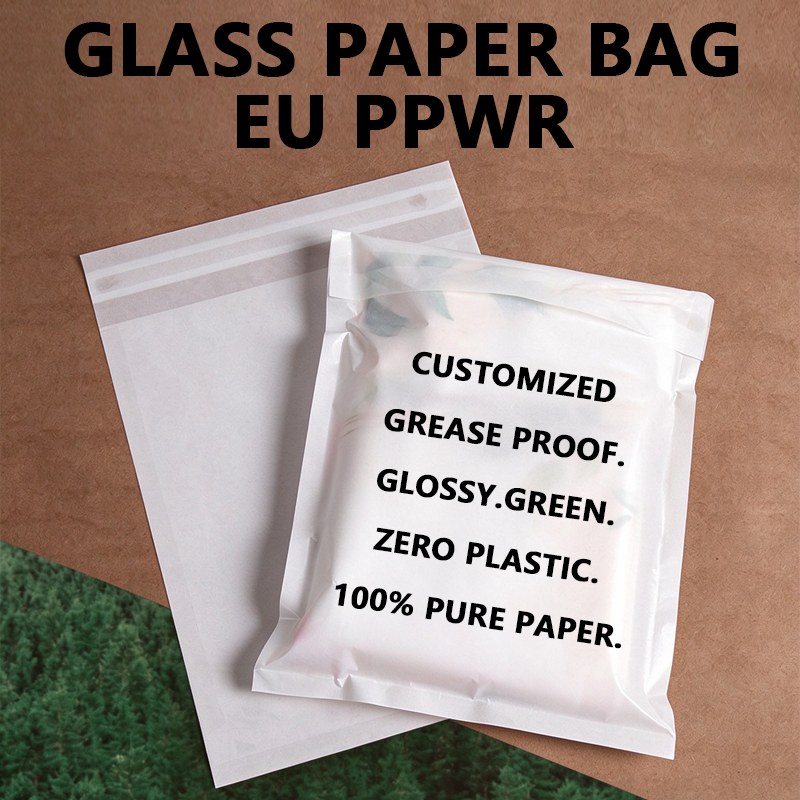 Custom glassine paper bag dimensions showing bag width height flap size and logo printing area2026/10/15
As apparel brands reassess packaging materials and unboxing experiences, custom glassine garment bags are gaining attention as a paper-based option for clothing and fashion accessories. Zeal X offers customized sizes, logo printing and adhesive flap designs for wholesale apparel packaging projects.