 English
 Español
 Português
 русский
 Français
 日本語
 Deutsch
 tiếng Việt
 Italiano
 Nederlands
 ภาษาไทย
 Polski
 한국어
 Svenska
 magyar
 Malay
 বাংলা ভাষার
 Dansk
 Suomi
 हिन्दी
 Pilipino
 Türkçe
 Gaeilge
 العربية
 Indonesia
 Norsk
 تمل
 český
 ελληνικά
 український
 Javanese
 فارسی
 தமிழ்
 తెలుగు
 नेपाली
 Burmese
 български
 ລາວ
 Latine
 Қазақша
 Euskal
 Azərbaycan
 Slovenský jazyk
 Македонски
 Lietuvos
 Eesti Keel
 Română
 Slovenski

Call Us
+86-769-85580985
Email Us
christy_xiong@zealxintl.com

Glassine Paper vs Cellophane: 7 Key Differences for Packaging Buyers
Glassine Paper vs Cellophane: 7 Key Differences Packaging Buyers Should Know
When sourcing transparent packaging, buyers often compare glassine paper bags with cellophane bags. Both materials can provide visibility for packaged products, but glassine paper and cellophane are not the same material. Understanding the differences helps brands select packaging that matches product requirements, sustainability goals and presentation preferences.
One important point: the word "cellophane" is sometimes used informally to describe clear plastic packaging. Actual cellophane is a regenerated cellulose film. Buyers should confirm the material specification with suppliers before placing an order.
1. Material Composition
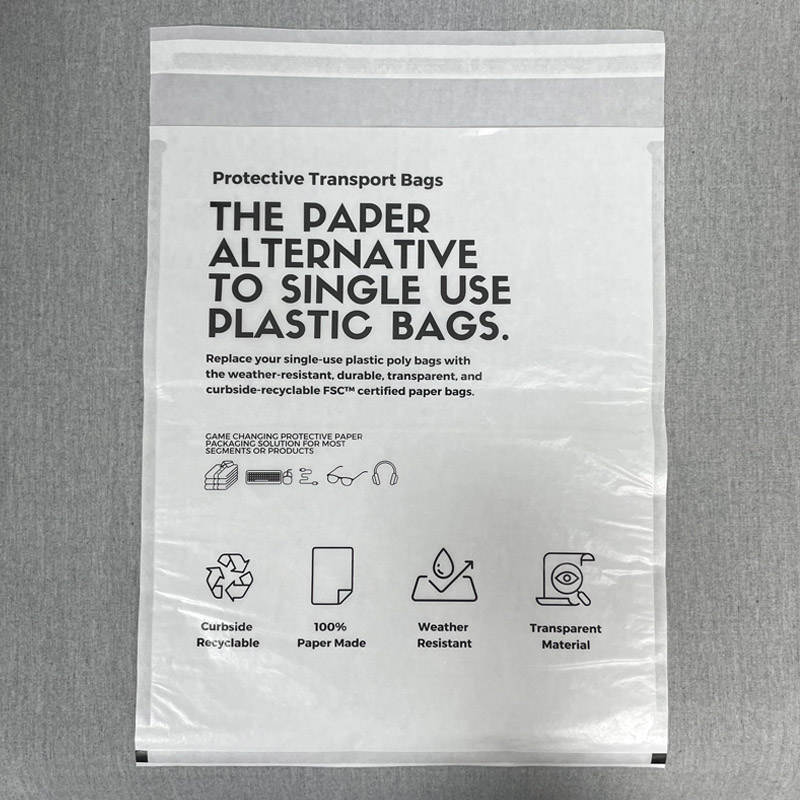
**Glassine paper** is made from paper pulp and processed to create a smooth, dense and translucent paper surface. The manufacturing process gives glassine its characteristic glossy appearance and relatively uniform texture.
**Cellophane** is a transparent film made from regenerated cellulose. Cellophane is not conventional polyethylene plastic, although clear plastic films are sometimes incorrectly marketed or described as cellophane.
For packaging buyers, checking the actual material composition is essential. A product name alone is not enough to establish whether a bag is paper-based, cellulose film or conventional plastic.
2. Appearance and Transparency
Glassine paper has a smooth, slightly glossy and translucent appearance. The packaged item can usually be seen through the paper, although the level of visibility depends on paper weight, manufacturing quality and product color.
Cellophane is generally known for its clear, film-like appearance. Actual transparency varies according to the film specification and any surface treatment.
For apparel, footwear accessories and retail packaging, glassine offers a paper-based presentation with a distinctive natural look. Cellophane may be preferred when a highly transparent film appearance is required.
3. Surface Feel and Packaging Presentation
Glassine paper feels more like paper than plastic film. The smooth surface creates a clean presentation for garments, accessories, stationery and lightweight retail products.
Cellophane has a flexible film texture and a different handling experience. The choice depends on the desired packaging appearance, product protection requirements and brand positioning.
Brands should request physical samples before approving a material for mass production. Photos alone cannot fully show the differences in touch, stiffness, transparency and handling.
4. Moisture and Grease Resistance
Glassine paper has a dense structure and can provide some resistance to grease and moisture under suitable conditions. However, standard glassine paper should not be treated as waterproof.
Water resistance depends on the paper specification and any additional treatment. Zeal X can discuss selected water-repellent glassine options, subject to sample evaluation and confirmation of the required performance.
Cellophane film has different moisture-barrier characteristics depending on its formulation, coating and processing. Buyers should request technical specifications and conduct application-specific tests rather than assuming that every transparent material provides the same level of protection.
5. Recycling and Environmental Considerations
Glassine is a paper-based material. Its recyclability depends on the paper specification, printing, adhesives, coatings and the acceptance rules of local recycling facilities.
Cellophane is made from regenerated cellulose, but its end-of-life options depend on the exact product formulation, coatings and applicable composting or disposal conditions.
Neither material should be described as automatically suitable for every recycling or composting system. Buyers should request material documentation and check local waste-management requirements before making environmental claims.
For brands seeking paper-based packaging, glassine can be a useful option to evaluate as part of a wider packaging improvement project.
6. Common Packaging Applications
Glassine paper bags are commonly considered for:
- Apparel and clothing accessories
- Footwear accessories
- Retail product presentation
- Stationery and printed materials
- Lightweight merchandise packaging
- Brand packaging that requires a translucent paper appearance
Cellophane bags are often used where a clear film presentation is preferred, including gift presentation and retail display applications.
The correct choice depends on the packaged product, required visibility, storage conditions and packaging specifications.
7. Customization Options
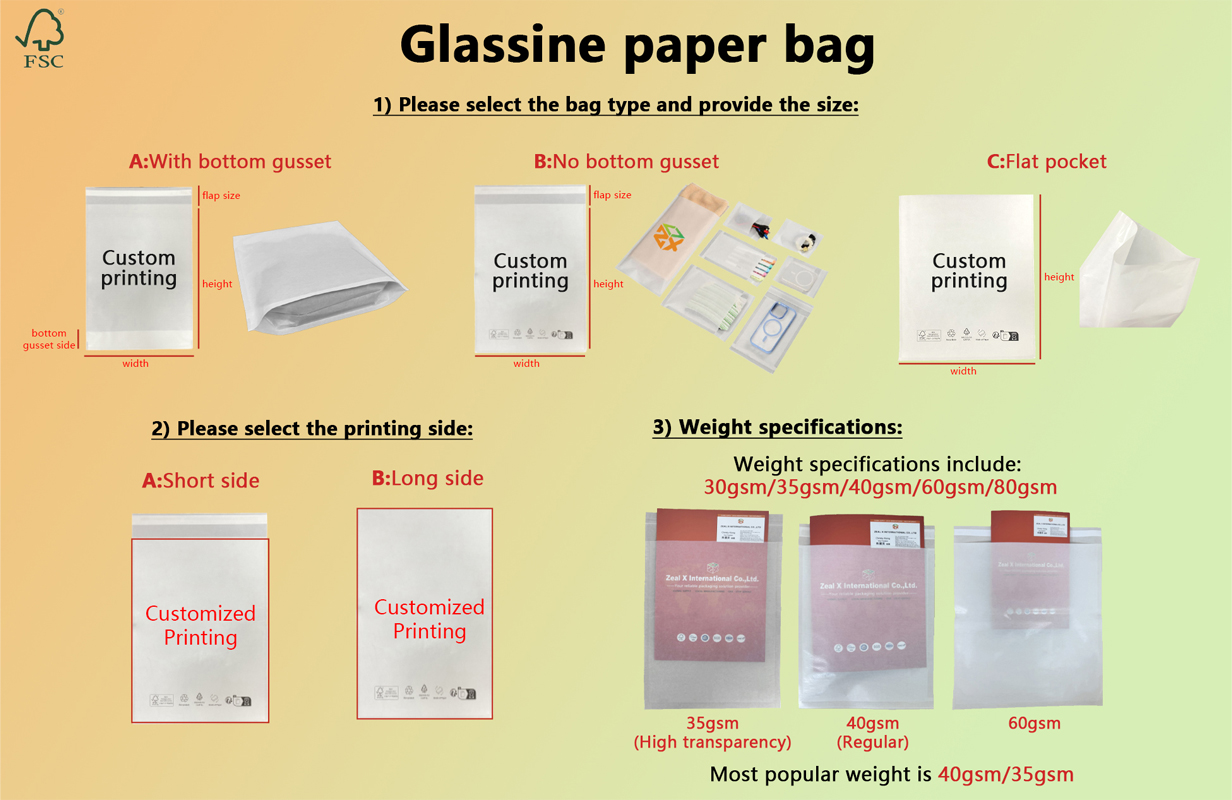
Glassine paper bags can be customized according to the packaging requirements of a brand or wholesale buyer.
Common customization options include:
- Paper weights such as 35gsm, 40gsm, 50gsm and 60gsm
- Custom bag dimensions
- Custom printing and brand artwork
- Flat or gusseted structures, subject to production confirmation
- Adhesive flap or other suitable closure options
- Selected water-repellent versions, subject to testing
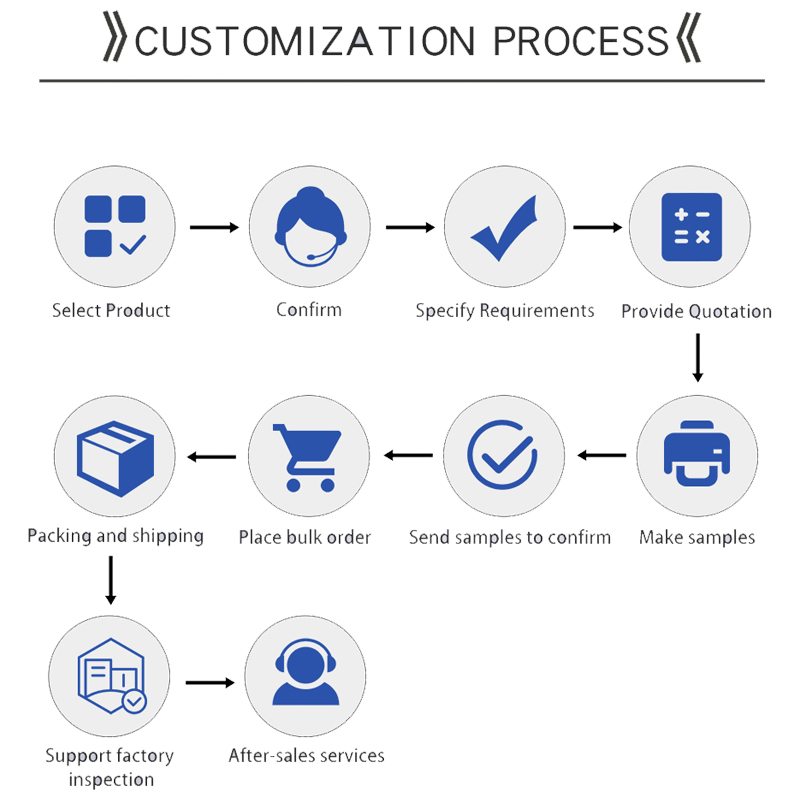
Before mass production, buyers should confirm the final dimensions, paper weight, printing details, closure design and intended application through sample evaluation.
For brands looking for paper-based packaging solutions, explore our custom glassine paper bags in 35gsm, 40gsm and 60gsm options, with customized sizes, printing and closure designs.
How Should Buyers Choose the Right Material?
Before selecting glassine paper or cellophane, buyers should answer five questions:
1. Does the packaging need a paper-based appearance or a clear film appearance?
2. How transparent does the packaging need to be?
3. Will the product be exposed to moisture, oil or demanding storage conditions?
4. What disposal or recycling requirements apply in the target market?
5. Does the packaging need custom printing, a specific size or a special closure?
For apparel and accessory brands looking for translucent paper packaging, glassine paper bags are worth evaluating. Buyers should request samples and confirm the material specification before approving bulk production.
Custom Glassine Paper Bags from Zeal X
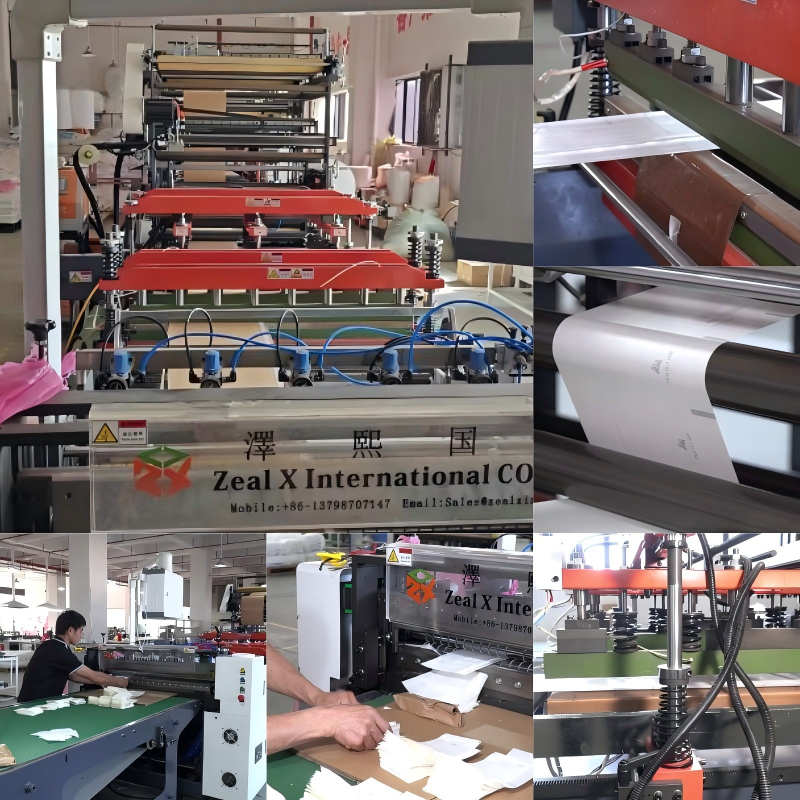
Zeal X International Limited provides customized packaging solutions for wholesale buyers and brands. Glassine paper bag options include 35gsm, 40gsm, 50gsm and 60gsm paper, with customization available for dimensions, printing and closure details.
The standard minimum order quantity is 5,000 pieces. Samples generally take 7–10 days, with shipping charged separately. Bulk production generally takes 15–20 days after order specifications are confirmed.
Standard glassine paper should not be considered waterproof. Selected water-repellent versions can be discussed according to the intended application and sample test results.
Explore our **[Custom Glassine Paper Bags](https://www.zealxecopack.com/glassine-bags)** to review available options and discuss your packaging requirements.
For a quotation, please contact Zeal X with your required size, paper weight, quantity, printing artwork and destination country.
Contact: Christy
Company: Zeal X International Limited
Email: christy_xiong@zealxintl.com
WhatsApp / WeChat: +86 137 9870 7147
Frequently Asked Questions
Is glassine paper the same as cellophane?
No. Glassine is a smooth, translucent paper made from paper pulp. Cellophane is a transparent film made from regenerated cellulose. The two materials have different structures and handling characteristics.
Are glassine paper bags plastic-free?
Glassine paper itself is paper-based. However, buyers should check the complete bag specification, including adhesives, coatings and any additional components, before making a plastic-free claim.
Are glassine paper bags waterproof?
Standard glassine paper bags are not waterproof. Selected water-repellent versions may be available, but the actual performance should be confirmed through sample testing.
What paper weights are available for custom glassine bags?
Zeal X offers 35gsm, 40gsm, 50gsm and 60gsm options for discussion. The appropriate paper weight depends on bag dimensions, product requirements and the desired packaging feel.
What is the minimum order quantity?
The standard MOQ is 5,000 pieces. Final production details should be confirmed according to the requested bag structure and customization.
Can glassine paper bags be custom printed?
Yes. Custom printing can be discussed according to the artwork, printing requirements and sample approval process.
How long does sampling and bulk production take?
Samples generally take 7–10 days, with shipping charged separately. Bulk production generally takes 15–20 days after specifications are confirmed.
Can glassine bags be used for food packaging?
Food-contact suitability should not be assumed. Buyers must confirm the relevant material documentation, applicable regulations and testing requirements before using glassine bags for food packaging.
Looking for a reliable supplier of custom glassine paper bags?
Zeal X provides customized glassine paper bags in 35gsm, 40gsm, 50gsm and 60gsm options. Custom sizes, printing and closure designs are available to meet different apparel, footwear and retail packaging requirements.
Explore our [Custom Glassine Paper Bags](https://www.zealxecopack.com/glassine-bags) to view product details or contact Zeal X for a customized packaging solution.
Send Inquiry



X
We use cookies to offer you a better browsing experience, analyze site traffic and personalize content. By using this site, you agree to our use of cookies.
Privacy Policy
News
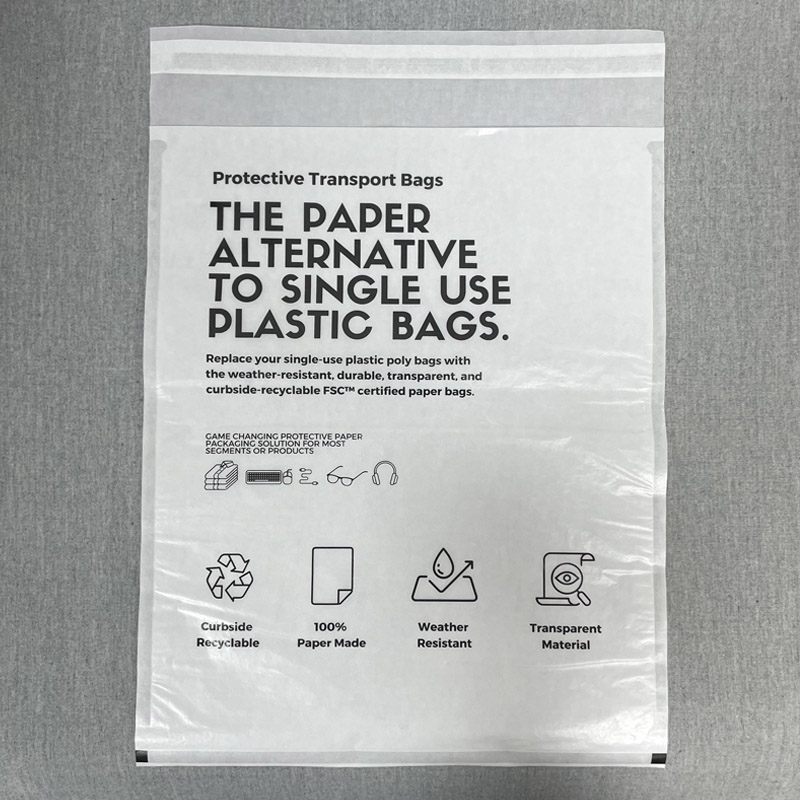 Glassine Paper vs Cellophane: 7 Key Differences for Packaging Buyers2026/11/19
Glassine paper and cellophane are two different materials used in transparent packaging. Discover 7 key differences in material composition, transparency, moisture resistance, recyclability, packaging applications and customization to help buyers choose the right packaging solution.
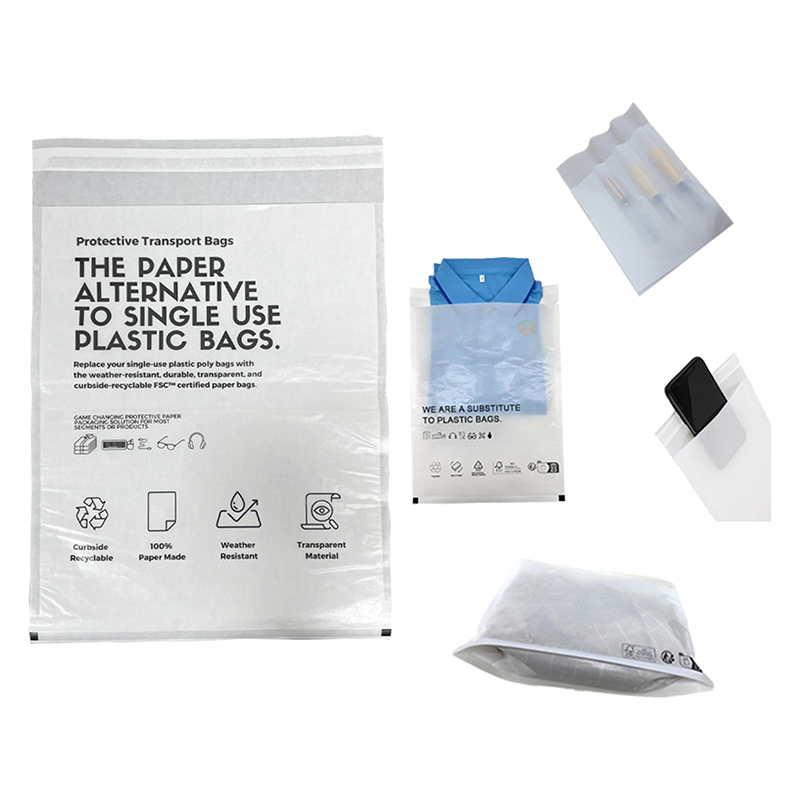 Custom Glassine Paper Bags Manufacturer | Zeal X2026/11/16
Looking for a reliable glassine paper bags manufacturer for your packaging project? Zeal X supplies custom glassine paper bags for brands, wholesalers, importers and packaging buyers seeking translucent paper packaging for apparel, footwear, accessories, retail products and other lightweight merchan......